What Size Washing Machine Do You Need for a 9×12 Ruggable?
What size washing machine do you need for a 9×12 Ruggable? You're looking for a washer with at least 4.5 cubic feet of drum space and no center agitator. Anything smaller and the cover can't tumble, which means it never really gets clean.
The weight is what trips people up. A 9×12 cover runs 25 to 35 pounds dry, and it can pick up another 15 to 25 pounds of water once soaked. Drum size, machine type, and cover style all change the math.
Here's the short version first.
Quick Answer: What Size Washing Machine Handles a 9×12 Ruggable?
A 9×12 Ruggable needs a washer with at least 4.5 cubic feet. Front-load washers work best for covers this large. HE top-loaders with an impeller can also work.
Skip agitator machines and compact washers entirely. Without one, use a laundromat triple-load washer.
Why the 9×12 Is the Hardest Ruggable to Wash
The waterlogged weight problem
A 9×12 cover is a lot of fabric, roughly 108 inches by 144 inches. Manufacturer specs and buyer reports put the dry weight between 25 and 35 pounds, depending on the cover style. That's before a single drop of water.
Water changes everything. Once saturated, the cover can gain another 15 to 25 pounds. Now you're hauling a dripping 50-pound bundle and asking a machine to tumble it freely.
Packed tight, water and detergent can't circulate, and the load goes off balance.
The drying bottleneck nobody plans for
Washing is only half the job. Most home dryers hold about 7.4 cubic feet, and a cover this size barely fits.
Low-heat drying takes hours. Air drying stretches to 24 or 48 hours in humid weather. Reassemble it damp and mildew grows between cover and pad.
Still worth it, though. This is the rug that anchors your whole living room, throw pillows and all, and it's the only one of its size you can actually wash.
The 3 Things That Actually Decide Your Answer
Drum capacity in cubic feet
Capacity is the number that decides everything. You'll find it in the manual, on the machine itself, or on the yellow EnergyGuide label required on new washers. Standard top-loaders run 3.5 to 4.4 cubic feet.
Large front-loaders start near 4.5 and climb past 5.8.
One more thing: those ratings describe dry laundry loads, not how much soaked fabric actually fits.
Agitator vs. impeller vs. front-load
Agitators are the tall central posts in older top-loaders. They clean by twisting, and they'll twist an oversized cover right out of shape. Impellers are low fins that tumble clothes gently.
Front-loaders tumble too and spin faster, which wrings out far more water.
Standard vs. Plush cover weight
Cover style matters more than people expect. A Standard 9×12 cover sits at the lighter end. Plush and Chenille versions are thicker, heavier, and thirstier.
At exactly 4.5 cubic feet with a Plush cover, expect a snug fit.
Here's the quick reference:
| Machine type | Typical capacity | 9×12 verdict |
|---|---|---|
| Compact or portable | 2.2 to 2.5 cu ft | Won't work |
| Agitator top-loader | 3.5 to 4.4 cu ft | Don't risk it |
| HE impeller top-loader | 4.0 to 5.3 cu ft | Workable at 4.5+ |
| Front-loader | 4.5 to 5.8 cu ft | Best option |
The Decision Tree: Four Paths for Your 9×12 Cover
Work through these in order. The first path that matches your setup is your answer.
Path 1: Wash at home with a large front-loader
If your front-loader holds 4.5 cubic feet or more, you're set. Fold the cover loosely, wash cold on gentle, and add an extra spin. This is the cheapest and cleanest path.
Path 2: HE impeller top-loader, workable with caveats
If you've got a 4.5-cubic-foot impeller top-loader, you can try it. Wash the cover alone, expect a possible unbalance shutoff, and pause to redistribute the fabric if the machine complains. Manage your expectations on the rinse.
Path 3: Agitator or compact washer? Don't
No, don't machine-wash it. Agitators tear seams, and cramped drums strain the motor and suspension. You'll also pull out a cover that never actually got clean.
Skip straight to Path 4.
Path 4: Laundromat triple-loader, the reliable fallback
No big machine at home? A triple-load washer is rated for 40-plus pounds of laundry, which swallows a 9×12 cover easily.
As of 2026, most laundromats charge $8 to $15 per wash, with drying billed separately. Go early in the morning, because weekend lines are real.
How to Wash a 9×12 Ruggable Cover Without Wrecking Your Machine
Prep: separate the cover from the pad
Peel the cover completely off the pad. The pad never goes in the washer. Vacuum it and spot-clean instead, then set it aside.
Give the cover a good shake outdoors while you're at it.
Wash settings: cold, gentle, no fabric softener
Load the cover loosely so it has room to tumble. Use cold water, the gentle cycle, and a mild liquid detergent. Ruggable's own care instructions call for exactly this, and following them keeps your warranty intact.
Skip fabric softener, which coats fibers and kills absorbency. Never add chlorine bleach.
Extraction: why the extra spin cycle matters
When the cycle ends, run one more spin. Front-loaders hit 1,200-plus RPM and pull out water a gentle cycle leaves behind. Less residual water means hours off your dry time.
Drying and reassembly: the step where most people fail
Dry on low or no heat, or hang the cover to air dry. Expect 24 to 48 hours for a cover this size. Every inch must be bone dry before it touches the pad, or mildew moves in.
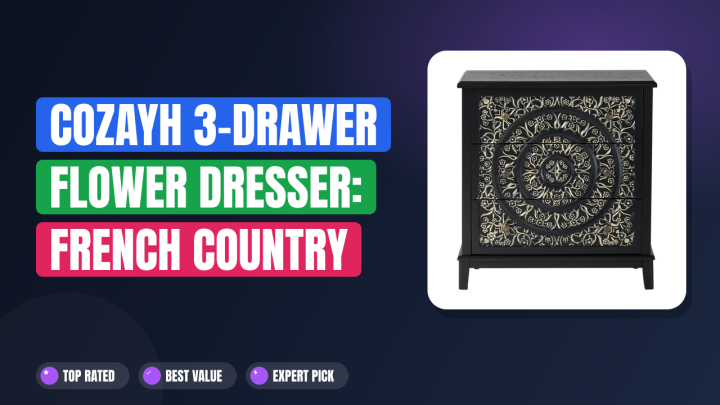
While you wait, knock out other projects. That tired dresser could use a smooth matte finish. Or the mantel could use some fresh styling.
The rug will still be drying.
Mistakes That Ruin Covers, Washers, or Both
Editorial analysis of buyer reviews keeps surfacing the same handful of errors. Sidestep these and you skip most of the regret.
- Cramming the cover in. A packed drum can't tumble, so water and detergent never reach the middle. You pull out a wet rug that's barely cleaner.
- Washing the pad. It's not built for the drum. It can shred, shed lint into the pump, and throw the load off balance. Vacuum it instead.
- Using fabric softener or bleach. Softener coats the fibers and kills absorbency. Bleach fades the printed design. Mild liquid detergent only.
- Cranking the dryer heat. High heat can shrink the cover so it no longer sits flat on the pad. Stick to low or no heat.
- Ignoring off-balance errors. Banging or an error code means stop and redistribute the fabric. Letting the machine slam strains the suspension and bearings.
- Reassembling damp. Trapped moisture between cover and pad grows mildew. That smell never really leaves.
The King Comforter Test and Other Quick Gut-Checks
The king comforter test is the fastest check there is. If your machine handles a king-size comforter, it can handle the cover. Manufacturer specs put machines sized for comforters at roughly 4.5 cubic feet and up.
Watch the first few minutes of any comforter wash. If it tumbles and folds over itself, you've got room. If it rides the wall or balls up tight, the rug won't do better.
More gut-checks:
- Search your washer's model number. Anything under 4.5 cubic feet is a laundromat job.
- Own a Plush cover? Build in extra margin, since it's the heaviest style when soaked.
- At the laundromat, the cover should still fold inside the triple-loader.
- One last one: don't toss towels in to balance the load. Wash the cover solo.
FAQs
Can a 9×12 Ruggable go in a top-load washer?
Only if it's a high-efficiency model with an impeller and at least 4.5 cubic feet of drum space. Agitator top-loaders twist oversized covers out of shape and can tear seams. Even then, expect a snug fit with Plush covers and be ready for the off-balance shutoff.
What happens if the cover doesn't fit?
Packing a soaked 50-pound bundle into a small drum means it can't tumble, so it never gets clean. Off-balance loads can slam the tub and stress the bearings. The smarter move is the laundromat triple-loader down the street.
How long does a 9×12 Ruggable take to dry?
Plan on 24 to 48 hours. Low-heat dryer cycles take several hours and often need more than one run. Air drying stretches to two days, longer in humid weather.
Run an extra spin cycle first to cut that down.
Can I wash the Ruggable pad too?
No. The pad isn't machine washable, and Ruggable's care guide says keep it out of the drum. Vacuum it regularly and spot-clean spills with mild detergent.
Let it dry fully before laying the cover back on.
Will one big wash damage my machine?
One careful wash in a properly rated machine won't hurt anything. Repeated overloading is what causes wear. If the cover has to be forced in, or the machine walks across the floor during the spin, the washer's too small.
Final Decision Guide: Your Answer in 30 Seconds
Match your machine to the path:
- Front-loader, 4.5+ cubic feet: wash at home. Cold water, gentle cycle, extra spin, low heat or air dry.
- HE impeller top-loader, 4.5+: workable. Wash the cover alone and pause the cycle if it goes off balance.
- Agitator top-loader or compact washer: skip it. The laundromat triple-loader is your rug's best friend, for $8 to $15 a wash.
- No idea what your drum holds: search the model number or run the king comforter test above.
That's the whole decision. The rug doesn't change the answer, your machine does.
And while the cover dries for a day or two, there's time to spare. A tired dresser could get a brush-free paint finish. The sofa could use a fresh pillow mix to match the clean rug.

Similar Posts