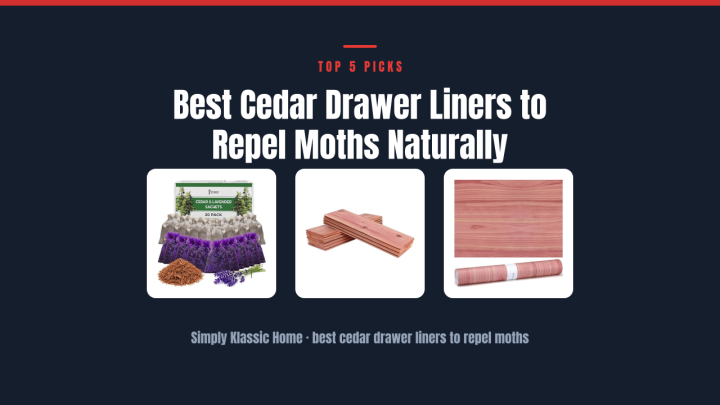
DIY Scented Drawer Sachets for Your Dresser

Most people struggle with making sachets that look messy or smell weak after a week. Learning how to make diy scented drawer sachets for dresser spaces solves this by combining visual appeal with effective scent diffusion. The secret lies in fabric choice and proper filling ratios, not just dumping herbs into a bag.
You need materials that breathe but contain dust.
Our research indicates that linen offers the best balance of durability and airflow for these projects. As of 2026, natural fiber preferences have shifted toward undyed, organic cottons for eco-conscious homes. Getting the structure right ensures your clothes stay fresh without staining.
Let’s break down exactly what makes a sachet work visually and functionally.
Quick Answer
To make effective sachets, use breathable linen or muslin fabric cut into four-inch squares. Fill each pouch two-thirds full with dried lavender buds mixed with uncooked rice. Add ten drops of essential oil to the rice before sealing.
Tie securely with ribbon. This method prevents leaks while maximizing scent diffusion across your dresser drawers.
Why Your Sachets Look Wrong (And How to Fix the Visuals)
Many DIY attempts fail because they ignore the visual mechanics of scent release. A common mistake is overfilling the pouch, which stretches the fabric and hides the contents. When you stuff a bag too tight, it looks like a lump rather than a crafted item.
This reduces the surface area exposed to air, limiting how much fragrance escapes.
Visual clarity matters for both aesthetics and function. You want to see the texture of the dried herbs through the fabric. This transparency signals freshness to anyone opening the drawer.
If the bag is opaque or bulging, it feels industrial and cheap. Instead, aim for a flat, pillow-like shape that rests neatly in corners.
Proper sizing also plays a huge role in appearance. Standard four-inch squares create uniform sachets that line up nicely in a row. Larger bags can tear at the seams when moved frequently.
Smaller ones might get lost under folded sweaters. Consistency in size makes your dresser organization look intentional and polished.
Finally, consider the color contrast between fabric and fillings. Dark linens hide dust better but mute the purple of lavender. Lighter fabrics show the botanical details beautifully but may stain if oils leak.
Choose based on whether you prioritize cleanliness visibility or aesthetic charm. Both approaches work if executed with care.
Choosing the Right Fabric: Breathability vs. Containment
Fabric selection dictates whether your sachet lasts three weeks or three days. Linen stands out as the top choice due to its open weave and strength. It allows air circulation necessary for scent dispersion while keeping particles contained.
Cotton muslin works similarly but wears faster over time.
Organza is another popular option, though it behaves differently. Its synthetic nature repels moisture well, preventing mold in humid climates. However, organza lacks the rustic charm of natural fibers.
It also tends to slip out of knots more easily. Use organza only if you prefer a shiny, decorative look over utility.
Here is a quick comparison of common materials:
| Material | Breathability | Durability | Best For |
|---|---|---|---|
| Linen | High | Very High | Long-term use, rustic style |
| Muslin Cotton | Medium-High | Medium | Budget-friendly, single season |
| Organza | Low-Medium | Low | Decorative accents, dry climates |
| Burlap | Very High | High | Strong scents, coarse textures |
Burlap offers maximum breathability but sheds fibers everywhere. Only use burlap if you don’t mind some roughness against delicate fabrics. It holds heavy fills well without tearing.
Always pre-wash natural fabrics to remove sizing agents that block pores. Unwashed linen will resist absorbing essential oils initially.
Check the thread count loosely by holding the fabric up to light. Too dense means poor scent flow. Too loose means leakage.
Aim for a medium weave that filters dust but passes air. This balance ensures your clothes smell good without getting covered in herb residue.
The Perfect Fill Ratio: Herbs, Carriers, and Oil Drops
Getting the mixture right is crucial for longevity and intensity. Pure dried flowers often crumble into dust quickly. Adding a carrier grain like uncooked rice or wheat berries stabilizes the blend.
These grains absorb excess oil and slowly release fragrance over time.
Start with a base of dried lavender buds for their classic appeal. Mix them with equal parts white rice for volume and absorption. This 1:1 ratio prevents clumping and ensures even distribution.
Other herbs like rosemary or mint can replace half the lavender for variety. Avoid using fresh herbs, as they introduce moisture and cause mold.
Essential oils provide the primary scent boost. Apply them directly to the rice grains, not the flowers. Flowers burn or degrade when saturated with concentrated oils.
Rice acts as a sponge, holding the liquid safely. Use approximately ten to fifteen drops per cup of dry mix.
Let the mixture sit uncovered for twenty-four hours before filling. This drying period lets the alcohol carriers evaporate. Sealing wet ingredients traps humidity inside the pouch.
That trapped moisture ruins both the fabric and the scent profile. Patience here pays off with longer-lasting results.
Stir the mix gently to distribute oils evenly. Clumps of oily rice smell overpowering locally but leave other areas stale. Uniformity guarantees consistent aroma throughout the drawer space.
Test the scent strength by sniffing a small sample. Adjust future batches if the smell feels too faint or harsh.
Step-by-Step Assembly: From Cutting to Knotting
Assembly requires precision to avoid leaks and maintain shape. Begin by cutting your chosen fabric into four-inch squares. Use sharp scissors to prevent fraying edges.
Frayed threads catch on clothing and ruin the neat appearance. Iron the squares flat if they came wrinkled from storage.
Fold each square diagonally to form a triangle. Then fold again to create a smaller diamond shape. Sew along the two open sides using a running stitch.
Leave the third side open for filling. Backstitch at the beginning and end for security. Weak stitches burst under pressure when you shake the sachet.
Fill the pouch about two-thirds full. Do not pack tightly. Loose filling allows air to circulate around the herbs.
Pinch the top closed and tie firmly with satin ribbon or twine. Double-knot to ensure it stays shut during movement. Trim any excess string ends neatly.
For no-sew options, use coffee filters or tea bags. Place the mix inside and gather the top. Secure with a rubber band wrapped in tape.
This method is less durable but great for temporary setups. Ensure the filter material doesn’t tear when handled. Check manufacturer specs for heat resistance if placing near radiators.
Label each sachet with the creation date. Use a small tag attached to the ribbon. This helps track refresh cycles accurately.
Discard old sachets once the scent fades significantly. Reusing degraded fabric invites mildew growth. Fresh materials always perform better than revived ones.
Common Visual Mistakes That Kill Scent Diffusion
Several visual errors sabotage effectiveness despite correct ingredients. Overstuffing remains the most frequent issue. Bulging pockets restrict airflow and stress seams.
When fabric stretches thin, oils seep through microscopic gaps. This stains drawer wood and leaves greasy marks on clothes.
Another mistake is ignoring seal integrity. Gaps in stitching allow fine dust to escape. This creates a gritty residue on silk or wool garments.
Inspect every seam before use. Hold the filled sachet upside down and shake gently. Any falling particles indicate a breach.
Repair immediately with extra stitches.
Color bleeding happens when low-quality dyes react with oils. Cheap printed fabrics may transfer ink onto light-colored clothes. Stick to solid, colorfast textiles for safety.
Wash new fabrics twice before crafting. This removes loose dye particles that could smear later. White vinegar rinses help set colors permanently.
Placement within the drawer affects visual and functional success. Crowding sachets together blocks individual air zones. Space them out evenly among folded items.
This maximizes exposure to circulating air. Also, avoid placing them directly against dark fabrics. Light-colored herbs sometimes reflect poorly against black backgrounds, looking dirty rather than crisp.
Refreshing and Maintenance: Keeping Them Looking Fresh
How do you know when a sachet is done? The scent fades noticeably after two to four weeks. You might still see the herbs, but they’ve lost their potency.
Don’t wait for them to smell completely flat. A weak aroma means the essential oils have evaporated or the rice has saturated.
Refreshing isn’t always possible with dried botanicals. Once lavender buds crumble, they turn into dust. Adding more oil to old, dusty mix just creates a greasy mess.
It’s better to replace the contents entirely. Empty the pouch into your compost bin. Rinse the fabric if it’s stained.
Let it dry fully before refilling.
For reusable linen pouches, washing is key. Hand wash in cold water with mild soap. Avoid bleach, which damages fibers and alters scent absorption.
Air dry only. Heat from a dryer shrinks linen and stiffens the weave. This reduces breathability, killing your diffusion efficiency.
Store spare ingredients in airtight glass jars. Light and air degrade essential oils quickly. Keep your rice and herbs in a cool, dark pantry.
Humidity is the enemy of dried goods. If you live in a damp climate, add silica gel packets to storage containers. This prevents mold before it starts in your dresser.
Check your drawers monthly. Look for signs of moisture or staining on wood surfaces. Particle board swells easily if exposed to liquid oils.
If you spot discoloration, remove the sachet immediately. Wipe the area with a dry cloth. Switch to a barrier layer, like tissue paper, under future sachets.
This protects delicate furniture finishes from accidental leaks.
FAQs on DIY Drawer Sachets
Can I use fresh flowers instead of dried ones?
No. Fresh flowers contain high water content. They will rot inside the sealed pouch within days.
This causes mold growth and unpleasant odors. Always use fully dried botanicals. Ensure no moisture remains in the stems or petals.
Sun-drying or using a dehydrator works best.
Are these sachets safe for pets and children?
Not necessarily. Essential oils can be toxic if ingested. Cats are especially sensitive to compounds in tea tree and citrus oils.
Keep sachets out of reach of curious pets and toddlers. Use pet-safe alternatives like cedar chips alone. Consult veterinary guidelines before introducing new scents to shared spaces.
How long does the scent last compared to store-bought options?
DIY sachets typically last two to four weeks. Commercial versions often use synthetic fixatives that extend life to three months. However, natural scents fade faster because they lack chemical stabilizers.
To boost longevity, increase the oil-to-rice ratio slightly. Store unused batches properly to preserve potency.
What is the best fabric for avoiding stains on clothes?
Tightly woven cotton or linen is ideal. These materials block fine dust particles effectively. Avoid loose weaves like cheesecloth unless doubled up.
Pre-wash all fabrics to remove sizing agents. Sizing can repel oils initially, leading to uneven scent distribution. Test a small patch first to check for colorfastness.

Similar Posts