How to Get Packaging Creases Out of Polyester Curtains

Unboxing a new pair of drapes often leaves you with stubborn grid lines across the fabric. Learning how to get packaging creases out of polyester curtains takes only a few minutes once you match the right method to your fabric type. Most panels relax quickly when treated with gentle moisture and mild heat.
Polyester has a very low moisture regain rate under 1 percent, which means ambient humidity alone rarely solves deep factory folds. Per Federal Trade Commission textile care standards, synthetic fabrics require controlled temperatures below 230 degrees Fahrenheit to avoid surface damage. Here is the direct way to handle those folds safely.
Quick Answer: The Safest Fix for Most Polyester Curtains
The quickest way on how to get packaging creases out of polyester curtains is vertical steaming. Hang the panels directly on their rod first. Hold a handheld garment steamer two inches away from the fabric.
Pull the bottom hem gently downward while moving the steam nozzle downward. For lined blackout panels, apply steam only to the front fabric side.
Why Packaging Creases Set So Hard Into Polyester
Polyester is a synthetic polymer made from petroleum-based compounds. Manufacturers melt and extrude these plastic fibers under high temperatures, which gives the material thermoplastic memory. When the yarn cools into a specific shape, it locks into that structure until fresh heat alters it again.
Most modern window panels arrive tightly folded inside vacuum-sealed plastic bags. Months of warehouse compression create sharp mechanical folds along every bend. As of 2026, thinner micro-polyester weaves are common in home goods, and these dense fibers hold pressed shipping lines firmly.
Unlike cotton or linen, polyester repels water and resists passive dropping. Hanging compressed panels in a dry room rarely releases heavy packing lines without intervention. You need mild heat and water vapor to relax the synthetic fibers without melting the yarn.
Three Checks Before You Pick a Method
Read the Care Label and Fabric Construction
Always inspect the white care label sewn into the upper header or side hem. Look for the iron symbol with a single dot, which signals safe synthetic heat around 230 degrees Fahrenheit.
Coated blackout curtains require extra caution because they feature an acrylic or foam backing. Direct contact with a warm iron will melt that coating instantly. Sheer polyester panels, on the other hand, require lower heat and continuous movement to prevent scorching.
Judge the Crease Severity
Light surface rumples from standard retail folding often drop out with passive humidity. Sharp, white-edged creases from vacuum packaging need direct moisture and gentle mechanical tension. Knowing how deeply the fold is set keeps you from overworking delicate fibers.
Take Inventory of Your Tools
Check what equipment you have on hand before taking panels off the rod. A garment steamer is the easiest tool for hung curtains. If you only have a flat iron, you will need an ironing board and a clean cotton cloth to shield the synthetic fabric.
Your Fix, Matched to Your Situation
You Have a Garment Steamer
Hang the curtains directly on their window rod before you begin. Fill the steamer reservoir with distilled water to prevent mineral scale from spitting onto the fabric.
Turn the unit on and hold the steam head about two inches from the panel. Grip the bottom hem with your free hand to keep the fabric taut. Move the head down the length of each crease in smooth, steady strokes.
You Have an Iron and Board
Set your iron to its lowest synthetic or nylon setting. Place a clean cotton pillowcase or pressing cloth flat over the curtain panel.
Work on the reverse side of unlined curtains. Move the iron continuously over the pressing cloth, using light downward pressure for three to five seconds per section. Never let the bare soleplate touch the polyester surface directly.
No Tools, Short on Time: The Dryer Method
Place one or two creased panels into your clothes dryer with a damp cotton hand towel. The towel provides instant steam as the drum turns.
Run the machine on low heat or a delicate cycle for 10 to 12 minutes. Remove the curtains immediately when the cycle ends. Hang them on their rod right away so the warm fabric cools without forming new wrinkles.
No Tools, No Dryer: The Shower Steam Method
Hang your curtain panel from the shower rod inside your bathroom. Turn on the hot water tap and close the bathroom door completely to trap the steam.
Let the shower run for 15 minutes while the room fills with thick mist. Turn off the water, keep the door shut, and let the drapes hang in the humid air for another 15 minutes. Transfer them straight to the window rod to dry flat.
Zero Effort: Hang, Add Weight, and Wait
Attach wooden clothespins or clip-on curtain weights along the bottom hem of the hung panels. Gravity will pull the fabric straight over several days.
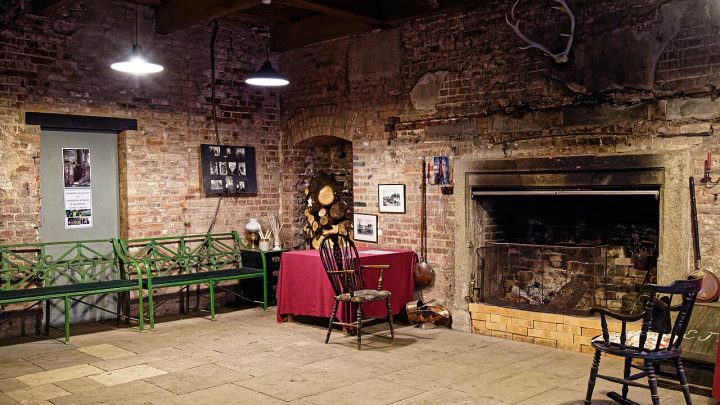
This passive approach works best in humid environments or open living spaces. It looks clean when styling a room with styled hearth decor or wide picture windows where you can let the fabric settle naturally.
| Method | Best Fabric Type | Time Required | Risk Level |
|---|---|---|---|
| Garment Steamer | Standard poly, sheers, blackout | 10 to 15 minutes | Low |
| Synthetic Ironing | Heavy unlined poly drapes | 20 to 30 minutes | Medium |
| Damp Towel Dryer | Lightweight unlined panels | 10 to 15 minutes | Low to Medium |
| Shower Steam | Sheers and delicate weaves | 30 minutes | Very Low |
| Passive Weighted Hang | Lightly creased panels | 3 to 5 days | None |
When Folds Won't Budge: The Escalation Path for Set-In Creases
Some factory folds resist dry heat and quick steaming sessions. If deep packaging lines remain visible after your first attempt, wash the panels in your washing machine on a delicate cycle using cold water.
Skip the final high-speed spin cycle so the fabric retains slight moisture. The added water weight pulls downward on the fibers as the curtain hangs.
Hang the wet drapes directly on the window hardware over a towel. As the fabric air-dries, pass a handheld steamer over the damp fold lines. This combination resets the stubborn factory memory.
Coordinating your windows with layered living room pillows looks best when the drapes fall in smooth, straight columns. If deep fold lines survive a wet hang and light steam, take the panels to a professional dry cleaner with a tension press table.
Mistakes That Ruin Polyester Curtains
Most damaged panels in verified buyer feedback trace back to heat, not time. These errors are all avoidable once you know the thresholds.
- Glazing the fabric with a hot iron. Settings above the synthetic mark melt the surface into shiny, permanent streaks. Stay at the one-dot setting, around 230 degrees Fahrenheit, and always work through a pressing cloth.
- Pressing blackout backing directly. The acrylic foam coating bubbles and peels on contact. Steam these panels from the face side only.
- Filling the steamer with tap water. Hard-water minerals leave pale streaks that look like fresh creases. Distilled water prevents the spotting entirely.
- Stretching hot fabric. Yanking a steamed hem distorts the weave and leaves a wavy edge. Keep tension light and even.
- Ironing across pinch pleats. Pleat folds are stitched structure, not packaging creases. Flattening them ruins the header permanently.
- Leaving panels in the dryer. Warm fabric re-creases in a heap within minutes. Pull them the moment the cycle ends.
One more habit causes quiet damage: storing curtains folded inside vacuum bags between seasons. That compression re-sets the exact fold lines you just removed.
Frequently Asked Questions
Do packaging creases fall out of polyester curtains on their own?
Light wrinkles often relax within a few days of hanging, especially in humid rooms. Sharp vacuum-sealed folds rarely disappear on their own because polyester absorbs less than 1 percent moisture. Plan on steam or low heat for anything creased in the box.
Can you iron 100 percent polyester curtains?
Yes, with the right precautions. Set the iron to the synthetic or one-dot setting, roughly 230 degrees Fahrenheit. Work on the reverse side through a pressing cloth and keep the soleplate moving.
Direct contact on a hotter setting glazes or melts the fibers.
How long does the shower steam method take?
About 30 minutes total. Run a hot shower for 15 minutes with the panel hung nearby, then leave it in the closed, steamy room another 15 minutes. Heavily folded panels sometimes need a second session the next day.
Why did my blackout curtain coating bubble?
The acrylic or foam backing melted under direct heat, and that damage is permanent. Coating cannot be re-smoothed once it bubbles. Always steam blackout panels from the printed face side.
Never press a hot iron against the coated back, even through a cloth.
Is wrinkle release spray safe on polyester curtains?
Usually, yes, on plain unlined panels. Test inside a hem first, since some sprays spot dark fabrics or leave residue on blackout coatings. Sprays relax light wrinkles, but they rarely release deep, heat-set box folds.
Steam remains the stronger option there.
Your Quick-Reference Decision Guide
Match your situation to the fastest safe fix.
| Your Situation | Best Method | Time to Results |
|---|---|---|
| Steamer in hand, standard panels | Vertical steam, 2-inch gap | 10 to 15 minutes |
| Iron only, unlined fabric | One-dot setting plus pressing cloth | 20 to 30 minutes |
| No tools, short on time | Dryer with damp towel, low heat | 10 to 15 minutes |
| No tools, no dryer | Shower steam with door closed | 30 minutes |
| Light wrinkles, no rush | Weighted hang with clips | 3 to 5 days |
| Blackout or thermal lining | Face-side steam only | 10 to 15 minutes |
| Folds left after two attempts | Delicate wash, hang damp, re-steam | Overnight |
Prevention beats correction every time.
- Hang new panels the same day they arrive.
- Roll curtains around a cardboard tube for storage instead of folding.
- Choose breathable cotton bags over vacuum sealing.
- Weight the hems for the first week after any wash.
Straight, smooth panels anchor the whole window wall, especially beside a focal point like a styled mantel display. If the refresh extends past the windows, our streak-free furniture painting method helps the rest of the room keep pace. Then layer in softness with pillow pairings for the sofa to finish the space.

Similar Posts