Can You Put Polyurethane Over Mineral Paint? Here’s How
Yes, you can put polyurethane over mineral paint, and for tabletops and cabinets it's often the smart move. But the timing and the type of polyurethane decide whether the finish holds up or fails months later. Get it wrong and you'll see cloudiness, peeling, or a yellowed tint over what was a crisp white dresser.
The catch is cure time, not adhesion. Manufacturer guidance for Fusion Mineral Paint, the brand that dominates this category, calls for roughly 21 days of curing before any topcoat goes on. Dry to the touch doesn't count as cured, and sealing early is the top reason these finishes fail.
Here's the quick version, then the details that decide it.
Quick Answer
Yes, you can put polyurethane over mineral paint. Water-based polyurethane is the safest choice for painted furniture. Wait until the paint fully cures first, usually 21 to 30 days.
Oil-based polyurethane works but yellows over white and light colors. Always run an adhesion test on a hidden spot before committing.
Why Mineral Paint Makes This Question Tricky
Mineral paint is an acrylic-mineral hybrid marketed as self-sealing. That means the cured paint forms its own durable, water-resistant film with no separate sealer. It doesn't mean the paint is armor.
Fusion Mineral Paint's official guidance says most pieces need no topcoat at all.
Then there's the cure gap. Mineral paint feels dry within two hours. It takes about 21 days to reach full hardness, longer in humid rooms.
Polyurethane brushed over soft, uncured paint traps moisture underneath. That's where cloudiness and peeling come from.
The last wrinkle is texture. People choose mineral paint for its velvety, ultra-matte hand-feel. Any topcoat changes that, even a matte one.
Plenty of people realize too late they've lost the exact look they paid for.
So the real question isn't whether polyurethane sticks. It usually does, on cured paint. The question is whether your piece needs it.
The Decision Branches: Water-Based Poly vs. Oil-Based Poly vs. Tough Coat
Your first real decision is which clear finish goes on top. Each behaves differently over mineral paint, and one can quietly wreck a light color.
Water-Based Polyurethane (The Default for Painted Furniture)
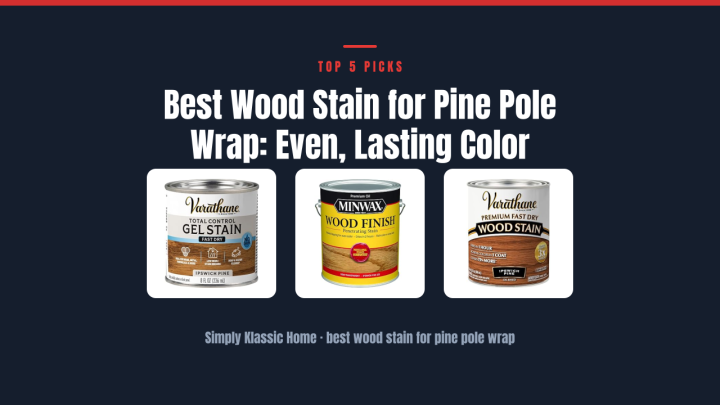
Water-based polyurethane dries crystal clear, cleans up with soap and water, and stays low-odor. It won't shift your paint color at all. General Finishes makes the water-based topcoat painted-furniture refinishers recommend most, and its product guidance steers painted projects toward water-based clears.
If your mineral paint is white, gray, or pastel, start here.
Oil-Based Polyurethane (And the Ambering Problem)
Oil-based poly builds the hardest, most scratch-resistant film. It also cures with a permanent amber tint that deepens over the years. Over navy or forest green, that warmth can look intentional.
Over farmhouse white, it reads as aged yellow nobody asked for.
Fusion Tough Coat and Brand-Matched Topcoats
Tough Coat is Fusion's own water-based topcoat, formulated for its paint line. As of 2026 it remains the simplest pick if you want one brand, one system, and one set of cure-time instructions. Brand-matched topcoats remove the compatibility guesswork entirely.
Wax, Hemp Oil, and Hard Wax Oils (The Different-Path Options)
These protect differently than polyurethane. Wax is traditional but soft and needs refreshing. Hemp oil soaks in and slightly darkens the color.
Hard wax oils like Rubio Monocoat give a natural hand-rubbed finish that furniture makers prize.
| Finish | Color shift over paint | Durability | Cleanup |
|---|---|---|---|
| Water-based poly | None, crystal clear | Good to very good | Soap and water |
| Oil-based poly | Permanent amber tint | Excellent | Mineral spirits |
| Tough Coat | None | Good | Soap and water |
| Wax | Slight darkening | Light duty | N/A, reapply as needed |
How to Apply Polyurethane Over Mineral Paint (Step by Step)
The process is simple once the paint is ready. The gate in front of it is not.
- Confirm the cure. If the paint has cured 21 to 30 days, proceed. If it's been under two weeks, wait. Only cure time matters here, not dry time.
- Clean it. Wash with mild soap or a gentle degreaser and let it dry fully. Any wax must go, because polyurethane will not bond to wax.
- Scuff sand lightly. A fast pass with 220 grit paper gives the poly something to grip. Stop immediately if you cut through the paint.
- Run the adhesion test. Brush a small patch in a hidden spot, like the back apron of a table. Check it at 24 and 48 hours. It's a home version of the cross-hatch test professionals standardize as ASTM D3359. Peeling, wrinkling, or tackiness means stop.
- Apply 2 to 3 thin coats. Stir the can gently, never shake it. Shaking whips in bubbles. Respect the label's recoat window, usually about 2 hours for water-based products.
- Let it cure before real use. The surface dries in hours. Full hardness takes 7 to 30 days, so go easy on it early.
Mistakes That Ruin Mineral Paint Pieces
Most failed topcoats trace back to the same handful of errors. Aggregate user reports and finisher communities repeat the same failures year after year.
Sealing too early. Poly over uncured paint traps moisture in the film. Weeks later you get cloudiness, a finish that never hardens, or poly peeling off with paint underneath.
Wax under the poly. Even a faint wax residue blocks adhesion completely. The only fix is sanding back to sound paint. If wax has ever touched the piece, skip poly and use hemp oil instead.
One thick coat. Thick coats skin over on top and stay soft underneath for days. Three thin coats beat one heavy coat every single time.
Shaking the can, cheap foam brushes. Both whip air into the finish, and those bubbles freeze into the film. Stir gently. Use a quality synthetic-bristle brush and light strokes.
Wrong sheen. Gloss and semi-gloss poly turn a soft matte piece shiny. If you picked mineral paint for the flat chalky look, buy matte polyurethane and test it first.
Which Pieces Actually Need Polyurethane (and Which Don't)
Here's the branch most articles skip. Mineral paint without a topcoat handles normal wear well. Fusion's position, stated plainly in its finishing guidance, is that sealing is optional for most furniture.
Polyurethane is for abuse, not average use.
Seal it if:
- The surface takes daily contact: tabletops, desks, kitchen cabinets, vanities
- Kids, pets, wet cups, or keys share the house with the piece
- You're flipping furniture for sale and the buyer will use it hard
- You want a scrubbable surface in a kitchen or bathroom
Skip it if:
- It's a nightstand, picture frame, headboard, or décor with light contact
- You love the raw matte texture and the piece won't see abuse
The middle ground: a dresser top that holds keys and perfume can go either way. A coat of matte water-based poly on the top surface only gives durability where it counts. Leave the drawers and sides bare and keep the soft look.
Safety Notes Before You Open the Can
The finish itself isn't the biggest hazard here. The rags are.
Oil-based polyurethane cures by oxidation, and that reaction throws off heat as it happens. A crumpled, oil-soaked rag piled in a trash can can reach ignition temperature on its own, hours after you've closed up the workshop. Fire investigators have linked plenty of garage fires to exactly this.
The fix costs nothing:
- Lay oil-soaked rags flat outdoors, weighted down, until they dry stiff
- Or soak them in a water-filled metal can with a lid before disposal
- Never ball them up or drop them in a garage pile
Ventilation matters for both finish types. Water-based poly typically sits under 150 g/L VOC, while oil-based versions often run 350 to 550 g/L. For oil products, open windows, run a fan, and wear a respirator with organic vapor cartridges.
A paper dust mask won't stop solvent fumes.
Finishing a crib, high chair, or toy box? Federal CPSIA lead limits apply to any children's product regardless of finish. Check the technical data sheet for a toy-safety statement, and let the piece cure fully before a child touches it.
OSHA's guidance on flammable materials covers safe handling and disposal for solvent-borne finishes if you work with them regularly.
FAQs: Polyurethane Over Mineral Paint
How long should mineral paint cure before polyurethane?
Wait 21 days for Fusion Mineral Paint, per the manufacturer's own guidance. Thirty days is the safer buffer in humid rooms or cool basements. Dry time and cure time are two different things.
Every day you wait now beats a full strip-and-repaint later.
What happens if you apply polyurethane too soon?
Trapped moisture causes cloudiness called blushing, a finish that stays tacky, or poly that peels weeks later, sometimes taking paint with it. Aggregate finisher reports point to this as the most common failure. There's no quick fix.
Sanding back to sound paint is the only cure.
Can you use Polycrylic over mineral paint?
Yes. Polycrylic is a water-based acrylic finish, thinner than true polyurethane but crystal clear and non-yellowing. It holds up well over cured mineral paint on light and medium-duty pieces.
For a hard-working tabletop, true water-based polyurethane builds a tougher film in the same number of coats.
Will polyurethane change the color of mineral paint?
Water-based polyurethane dries completely clear and keeps whites, grays, and pastels true. Oil-based poly adds a permanent amber tint that deepens with age, which turns farmhouse white creamy yellow. Any topcoat also raises the apparent sheen, so buy matte if you want the flat chalky look.
Do you need to sand mineral paint before polyurethane?
A light scuff sand with 220 grit helps the poly grip, especially on older or slightly glossy paint. Keep it quick and gentle. You're giving the surface tooth, not removing color.
If you cut through to bare wood anywhere, spot-repaint that area before topcoating.
Is Fusion Tough Coat better than regular polyurethane?
Neither wins outright. Tough Coat is formulated for Fusion paint, so compatibility is never in question and the instructions match perfectly. General water-based polyurethanes typically build a harder, more scratch-resistant film, which matters on tables.
Tough Coat suits low-fuss projects, while poly suits hard-use tops.
The Final Call: Seal It or Leave It
The decision sorts cleanly once you know your piece, your timeline, and your color.
| Your situation | What to do |
|---|---|
| Kitchen table, desk, or cabinets | Water-based poly, matte or satin, 3 thin coats after 30 days |
| White or pastel piece | Water-based only. Never oil-based |
| Painted less than 3 weeks ago | Wait. Reassess at day 21 |
| Wax ever touched the piece | Skip poly. Use hemp oil instead |
| Nightstand, frame, or décor | Leave it bare and enjoy the texture |
| Flipping furniture for sale | Seal the tops only with matte water-based poly |
| You want zero guesswork | Tough Coat, same brand, same instructions |
One last piece of logic before you crack the can. If the piece matters to you, run the adhesion test no matter which product you choose. Ten minutes on a hidden spot protects weeks of painting.
And here's the good news. If the paint has truly cured, that test is mostly a formality. You'll brush on a clean patch, check it at 48 hours, and find nothing but a smooth, grippy surface ready for build coats.
That's the position the 21-day wait puts you in.

Similar Posts