Best Pure Tung Oil for a Silky Natural Furniture Finish
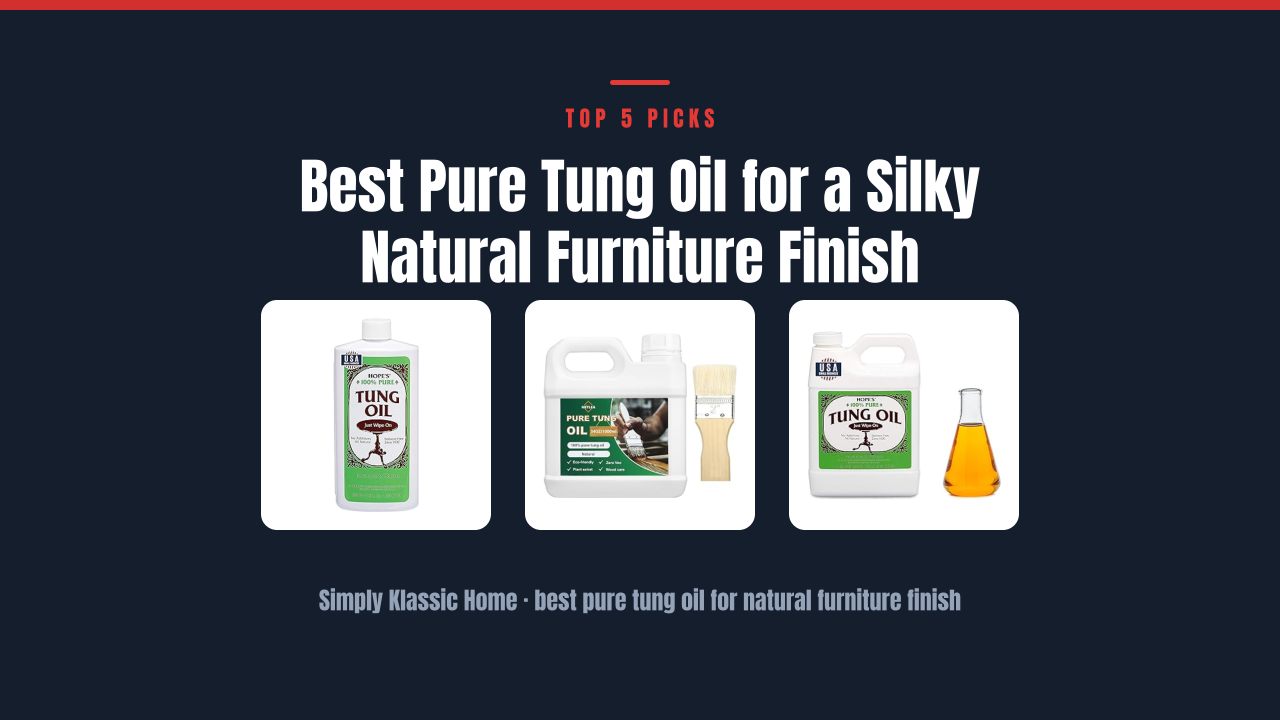
The best pure tung oil for natural furniture finish is the Hope's 100% Pure Tung Oil (16 Fl Oz), the only formula here that balances manageable bottle sizing with exceptional deep-grain penetration and reliable water resistance across all domestic hardwood species.
Want maximum volume for larger dining tables or floorboards instead? The Hope's 100% Pure Tung Oil (32 Fl Oz) gets you twice the coverage at a better overall value per ounce, as long as you plan on finishing multiple large pieces before the opened container oxidizes.
As an Amazon Associate, I earn from qualifying purchases.
This guide highlights the true curing realities that standard packaging labels often gloss over. If you need a fast, single-day tabletop seal or a rock-hard gloss shell, pure tung oil will likely frustrate you, and we explore specific alternatives later in this article.
Our recommendations reflect extensive analysis of technical product datasheets, wood finishing chemistries, and verified woodworker feedback across thousands of real-world furniture builds.
Quick Answer: The Best Pure Tung Oil for Natural Furniture Finish
For classic wooden furniture, raw natural oils provide a protective seal that polymerizes deep inside the wood fibers without ever peeling or cracking. Here is how the top options compare:
- Hope's 100% Pure Tung Oil (16 Fl Oz) (Best Overall for Furniture and Crafts): Top-rated pure formula that delivers rich amber grain enhancement with zero synthetic additives.
- 100% Pure Tung Oil 34oz (Best Value Volume for Large Tabletops): Generous bottle volume designed for expansive surfaces and multi-coat floor or desk projects.
- Hope's 100% Pure Tung Oil (32 Fl Oz) (Best Bulk Choice for Woodworkers): Trusted workshop standard offering enough volume for large dining sets and repeated upkeep.
- Walrus Oil 100% Pure Tung Wood (Best Food-Safe Option for Kitchenware): Cold-pressed standard ideal for butcher blocks, wooden spoons, and direct food-contact surfaces.
- Pure Tung Oil 11.8oz (Best Compact Size for Small Restorations): Handy small-batch bottle that eliminates waste on single chair repairs or small turnings.
Thinking about quick-drying film finishes instead? Jump to Who Should NOT Buy below before you spend anything.
Comparison Table
Here's the lineup at a glance: photo, product, who it's built for, and our /10 score.
| Photo | Product | Best for | Score | Buy |
|---|---|---|---|---|
 | Hope’s 100% Pure Tung Oil | Best Overall for Furniture and Crafts | 9.6/10 | Check price → |
 | 100% Pure Tung Oil 34oz | Best Value Volume for Large Tabletops | 9.2/10 | Check price → |
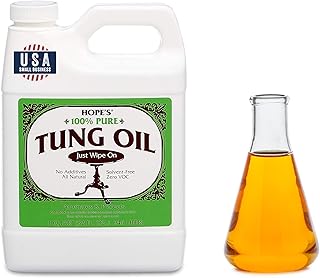 | Hope’s 100% Pure Tung Oil | Best Bulk Brand Choice for Big Projects | 9.7/10 | Check price → |
 | Walrus Oil 100% Pure Tung Wood | Best Food-Safe Option for Cutting Boards | 9.4/10 | Check price → |
 | Pure Tung Oil 11.8oz | Best Compact Size for Small Restorations | 8.8/10 | Check price → |
Scroll sideways on small screens to see every column.
Hope’s 100% Pure Tung Oil: Best Overall for Furniture and Crafts
100% Pure Tung Oil 34oz: Best Value Volume for Large Tabletops
Hope’s 100% Pure Tung Oil: Best Bulk Brand Choice for Big Projects
Walrus Oil 100% Pure Tung Wood: Best Food-Safe Option for Kitchenware
Pure Tung Oil 11.8oz: Best Compact Size for Small Restorations
Buying Guide: Purity, Viscosity, Curing Time and Bottle Size
Why "Pure" on the Label Isn't Always True
Pure tung oil is a drying oil pressed from the seeds of the tung tree that cures by oxidizing, not by evaporation. Many products labeled "tung oil finish" are actually varnish blends containing petroleum solvents and metallic driers. Every pick on this list is uncut oil, which is the entire point of the category.
That purity has a regulatory upside. Tung oil appears in the FDA's food-contact regulations as an approved component of resinous coatings, which is why brands can honestly call cured surfaces food safe. Blended "tung finishes" rarely make that claim because their solvent packages aren't intended for cutting surfaces.
Viscosity, Thinning and Application
Uncut tung oil flows like warm honey, and that thickness is the number one complaint in buyer reviews across all five picks. The standard fix is thinning the first two coats about 50/50 with citrus solvent or odorless mineral spirits, which lets the oil soak into dense woods like maple and cherry instead of sitting on top.
Wipe it on with a lint-free cloth, let it sit 30 to 40 minutes, then wipe every drop of excess off the surface. Oil left pooling cures into a wrinkled, tacky mess you'll have to scrape. If your finishing routine also involves painted pieces, the same wipe-thin-build-slow discipline behind smooth, streak-free coats applies here, and our guidance on keeping the surface flawless when brushing covers the mistakes that ruin wet edges.
Curing Time and Realistic Patience
Pure tung oil needs 4 to 6 coats with 12 to 24 hours between them, then 15 to 30 days of open-air curing before it reaches full water resistance. That final cure is not optional for a dining table that will see spilled coffee and hot plates.
Set expectations before you buy a single bottle. If a project has a deadline, a hardwax oil or wipe-on polyurethane finishes in days, not weeks. For heirloom furniture where longevity matters more than speed, nothing beats how tung oil bonds into the wood itself, and repairs involve simply sanding lightly and rubbing in more oil.
Bottle Size and Shelf Life
This lineup spans 11.8oz to 34oz, and the right size is mostly a math problem. Coverage runs roughly 40 to 60 square feet per ounce across multiple coats, so a dining table eats 12 to 16 ounces while a cutting board uses barely 2.
Bigger bottles win on cost per ounce but lose on shelf life. Partially filled containers skin over within months as the headspace air oxidizes the oil, so decant leftovers into small glass jars filled to the brim. If you refinish one piece a season, the Pure Tung Oil 11.8oz or the Hope's 16oz is the smarter buy; workshop regulars should grab the Hope's quart.
For more finishing and decorating ideas around the rest of the room, our timeless decorating inspiration collection pairs well with a freshly oiled piece.
Who Should NOT Buy Best Pure Tung Oil for Natural Furniture Finish
This category is the wrong purchase for buyers who need speed, gloss, or outdoor durability. Here's who they are, and what to look at instead.
You Need a One-Weekend Finish
If you're refinishing a table before guests arrive Saturday, pure tung oil will fail you on schedule, not quality. Five coats at 24-hour recoat intervals plus a 15 to 30 day cure means the piece sits untouched for a month. Buy a water-based polyurethane or a hardwax oil instead; both handle light use within 24 to 72 hours.
You Want a Thick, Glossy Topcoat
Tung oil soaks into wood and stays matte. It will never build the glassy, plastic-looking film you see on commercial furniture, and adding coats just makes it tacky. If you want that showroom shine, look at oil-based polyurethane, lacquer, or a two-part epoxy.
Gloss lovers should skip this category entirely.
Your Furniture Lives Outdoors Year-Round
Untinted tung oil handles humidity well but degrades under constant direct sun and standing rain, needing reapplication every 6 to 12 months on exposed pieces. Adirondack chairs, porch swings, and garden benches belong under a marine spar varnish with UV inhibitors. Keep tung oil for indoor furniture, kitchenware, and covered-porch pieces.
Final Verdict
For most furniture projects, the Hope's 100% Pure Tung Oil (16 Fl Oz) is the pick, pairing the longest owner track record here with a bottle size that matches typical tables and chairs.
Finishing big surfaces or several pieces at once? Get the Hope's 32oz quart and the per-ounce math swings your way. Cutting boards and spoons call for the Walrus Oil 32oz jug, and one small craft project needs only the 11.8oz bottle.
If you told us you needed a weekend finish or a glossy film, head back to Who Should NOT Buy before spending anything. Curious who's behind these guides, you can meet the team on our about page.
FAQ
What's the best Pure Tung Oil for Natural Furniture Finish overall?
The Hope's 100% Pure Tung Oil in 16 Fl Oz, based on its 4.7/5 rating across the longest review history in this category. It's genuinely uncut, food safe when cured, and sized right for typical furniture.
Is pure tung oil really food safe for cutting boards?
Yes, once fully cured, which takes 15 to 30 days. Cured tung oil is inert and appears in FDA food-contact coating regulations, making the Walrus Oil and Hope's picks safe for boards and utensils.
How many coats of tung oil does furniture need?
Plan on 4 to 6 thin coats for tabletops, wiped down aggressively after each application. Kitchenware and high-use surfaces benefit from the full six; decorative pieces can stop at four.
Can you thin tung oil with mineral spirits?
Yes. A 50/50 mix with odorless mineral spirits or citrus solvent on the first two coats speeds penetration into dense hardwoods. Apply final coats full strength for maximum water resistance.
Does tung oil darken wood?
It warms the grain with a light amber tone rather than darkening it the way linseed oil does. Oak and walnut show the richest color shift; pale woods like maple barely change.
How long does a tung oil finish actually last?
On indoor furniture, decades with simple maintenance. When the surface looks dry after a few years, a light scuff-sand and one fresh coat renews the finish completely, no stripping needed.

Similar Posts