Best Clear Coat for Fluted Wood Furniture That Lasts
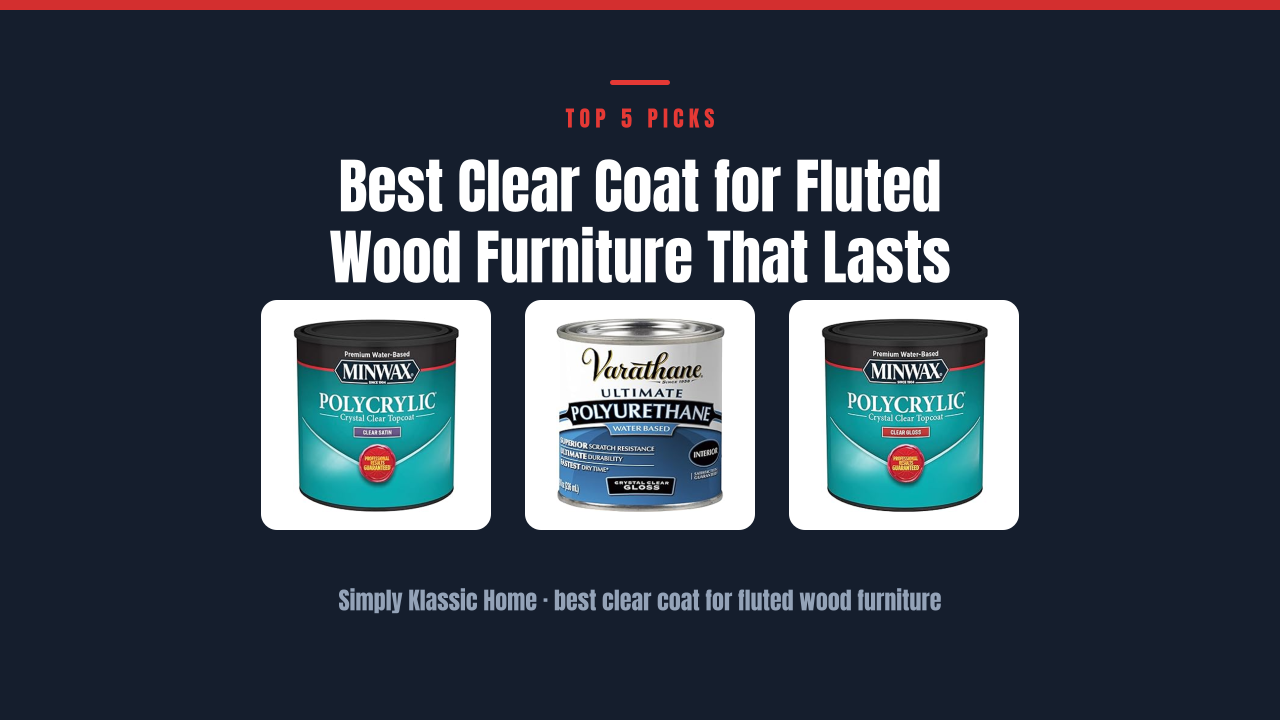
The best clear coat for fluted wood furniture is the Minwax Polycrylic Satin, which provides exceptional leveling inside deep grooves without dripping or pooling into cloudy puddles. Its water-based formula dries crystal clear, making it safe over pale stains, raw oak, and delicate painted surfaces.
Want a high-gloss sheen with extra scratch resistance for tabletop surfaces instead? The Varathane Ultimate Gloss Polyurethane delivers a glass-like finish, as long as you apply thin passes to prevent runs down vertical tambour slats.
As an Amazon Associate, I earn from qualifying purchases.
This guide breaks down how different clear finishes handle three-dimensional woodwork, highlighting formula viscosities that won't bridge groove details or turn milky. You will also discover which projects call for wipe-on oils or sprayers instead of brush-applied coats.
Editorial research across technical manufacturer datasheets and thousands of verified owner reviews forms the foundation of this comparison. We evaluate real-world leveling behavior, long-term yellowing tendencies, and dry times across every featured topcoat.
Quick Answer: The Best Clear Coat for Fluted Wood Furniture
Minwax Polycrylic Satin remains our top recommendation for fluted profiles due to its self-leveling water-based acrylic resin that resists sagging along vertical grooves.
- Minwax 233334444 Polycrylic Protective Wood Finish (Best for Fluted Nightstands and Cabinets): Fast-drying satin finish that levels cleanly in grooves without leaving cloudy resin buildup.
- Varathane Water-Based Ultimate Gloss Polyurethane (Best for High-Traffic Gloss Tables): Ultra-durable gloss barrier offering maximum scuff defense for active living room sideboards.
- Minwax 1/2 pt 25555 Clear Polycrylic (Best for Small Fluted Accent Pieces): Convenient compact container ideal for decorative fluted pedestals, dowel boxes, and sample tests.
- Varathane Triple Thick Polyurethane Gloss Wood (Best for Flat Fluted Top Surfaces): High-build single coat coverage that protects horizontal fluted slats with minimal application steps.
- Rust-Oleum Painter's Touch Latex Brush-On Paint (Best for Quick Painted Fluted Crafts): Affordable multipurpose clear coat that adheres reliably over decorative acrylic and craft paints.
Thinking about heavy outdoor architectural columns or oil-soaked butcher blocks instead? Jump to Who Should NOT Buy below before you spend anything.
Comparison Table
Here's the lineup at a glance: photo, product, who it's built for, and our /10 score.
| Photo | Product | Best for | Score | Buy |
|---|---|---|---|---|
 | Minwax 233334444 Polycrylic Protective Wood Finish | Fluted Nightstands and Cabinets | 9.4/10 | Check price → |
 | Varathane Water-Based Ultimate Gloss Polyurethane | High-Traffic Gloss Tables | 9.1/10 | Check price → |
 | Minwax 1/2 pt 25555 Clear Polycrylic | Small Fluted Accent Pieces | 8.9/10 | Check price → |
 | Varathane Triple Thick Polyurethane Gloss Wood | Flat Fluted Top Surfaces | 8.6/10 | Check price → |
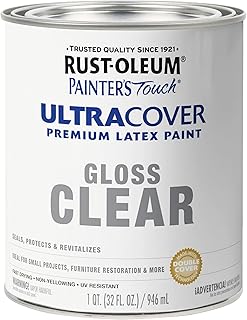 | Rust-Oleum Painter’s Touch Latex Brush-On Paint | Quick Painted Fluted Crafts | 8.3/10 | Check price → |
Scroll sideways on small screens to see every column.
Minwax 233334444 Polycrylic Protective Wood Finish: Best Overall for Fluted Furniture
Varathane Water-Based Ultimate Gloss Polyurethane: Best for High-Traffic Slatted Tops
Minwax 1/2 pt 25555 Clear Polycrylic: Best for Small DIY Fluted Accents
Varathane Triple Thick Polyurethane Gloss Wood: Best for Fast One-Coat Tabletops
Rust-Oleum Painter’s Touch Latex Brush-On Paint: Best Budget Pick for Painted Crafts
Buying Guide: Clarity, Groove Coverage, Durability and Dry Time
Water-Based vs Oil-Based: Which Keeps Pale Wood Pale?
For fluted furniture, a water-based finish such as polycrylic is a clear acrylic resin that dries colorless and stays that way, which is why it dominates this list. Oil-based polyurethanes amber noticeably as they cure, and inside a fluted channel that warm tint reads as a stain blotch rather than a patina.
On bleached oak, raw ash, or white paint, the difference is dramatic. If your piece is already dark-stained or you want an amber glow, an oil-based product from a hardware store is fine. For everything pale or painted, stick with the water-based picks here.
How Many Coats Do Fluted Grooves Actually Need?
Plan on three thin coats for the standard picks like the Minwax Polycrylic Satin, with roughly two hours between passes. Deep channels hold finish differently than flat faces, so a loaded brush pools resin at the base of each flute and dries cloudy there.
The trick is a lightly loaded brush and a pass down each channel to tip off excess. Over-brushing is the main cause of cloudy ridges, and the same habits behind smooth streak-free painted surfaces apply directly to clear coats. If your grooves look marked up after painting, fixing flaw-free painted surfaces first saves you from sealing in problems.
Durability: Matching the Finish to Real Life
A nightstand drawer front needs far less armor than a dining table. For vertical fluted panels, the Polycrylic's moderate hardness is genuinely enough. For horizontal tops that take mugs, keys, and homework, the Varathane Ultimate Gloss Polyurethane or the one-coat Triple Thick earns its spot.
Extension services such as the University of Minnesota Extension recommend film-forming topcoats for any surface exposed to water and handling, and that guidance maps neatly onto furniture use. Light use after 24 to 48 hours is common, but full hardness takes roughly a week, so be patient with tabletops.
Sheen and Indoor Air
Satin hides sanding imperfections in the shadow lines; gloss magnifies them but makes the ridges pop. Choose satin for bedroom pieces, gloss for statement consoles. And because every pick here is water-based, VOC output stays low compared to solvent finishes, which matters in small rooms; the EPA's indoor air guidance still suggests ventilating while you work.
Who Should NOT Buy Best Clear Coat for Fluted Wood Furniture
This category of brush-on, water-based interior finishes is the wrong purchase for three kinds of buyers. Here's who they are, and what to reach for instead.
You Need an Exterior or Marine-Grade Finish
Outdoor fluted columns, front doors, and porch furniture face UV rays and rain that these interior formulas are not built for. Water-based interior polycrylics will haze and peel within a season or two outside. Look for a spar or marine varnish with UV inhibitors labeled for exterior use instead.
You Want a Hand-Rubbed Oil Look
If your goal is raw oak that feels like bare wood, film finishes like these sit on top of the grain rather than soaking in. Danish oil, tung oil, or a hardwax oil penetrates the flutes and leaves a matte, tactile surface. That path also skips groove-pooling problems entirely, since thin oils self-eliminate excess.
Your Project Is a Food-Contact Surface
Cutting boards and serving trays need finishes rated for repeated food contact and knife work. None of these picks qualify. A food-safe hard oil, applied in several passes and buffed out, is the correct product category for anything that touches food regularly.
Final Verdict
For most fluted furniture projects, the Minwax 233334444 Polycrylic Protective Wood Finish is the clear winner. It stays water-clear on pale wood, levels inside the grooves instead of pooling, and lets you finish three coats in an afternoon.
Want maximum durability on a working tabletop? Get the Varathane Water-Based Ultimate Gloss Polyurethane and accept the extra sanding between coats. Racing to finish a large console in one session?
The Varathane Triple Thick Polyurethane covers it fast on flats, just stay thin in the channels.
Small accent pieces call for the Minwax 25555 half-pint gloss, and painted crafts on a budget get by nicely with the Rust-Oleum clear latex. If any of the skip-cases above described your project, head back to Who Should NOT Buy before spending a cent. Otherwise, once your piece cures, finishing touches like layered sofa cushions complete the room, and our classic home decor guides cover what comes next.
FAQ
What's the best Clear Coat for Fluted Wood Furniture overall?
The Minwax 233334444 Polycrylic in Satin takes it. Its thin, water-clear formula levels inside grooves without clouding, and it works over both raw and painted fluted surfaces.
Can I use these over painted fluted furniture?
Yes, all five work over fully cured latex or chalk paint. Lightly scuff the paint first so the clear coat bonds mechanically rather than sitting loose.
How do I stop cloudy buildup inside the grooves?
Apply thin coats with a lightly loaded brush, never shake the can, and drag a nearly dry brush down each channel to remove pooled excess before it cures.
How long before I can actually use the piece?
Light handling is typically fine after 24 to 48 hours, but full hardness takes about a week or more. Keep tabletops free of heavy objects until then.
Satin or gloss for fluted panels?
Satin forgives minor sanding flaws in the shadow lines, while gloss makes each ridge pop but shows every imperfection. Pick satin for bedrooms, gloss for statement pieces.
Do I really need to sand between coats?
A light scuff with 220 to 320 grit between coats improves adhesion and knocks down dust nibs. Wipe the dust off completely before the next pass.

Similar Posts